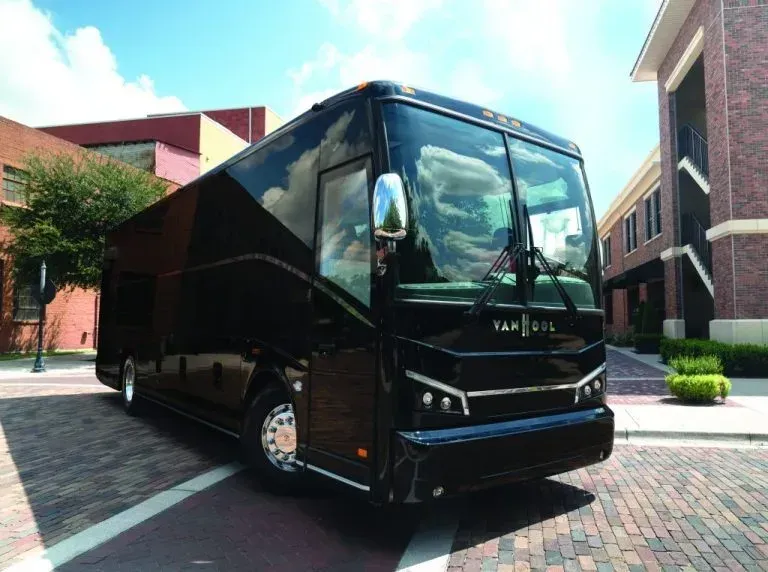
Organizing transportation for a large group can soon become a challenging responsibility when several schedules, pickup details, and travel requirements are involved. Whether the occasion involves corporate gatherings, family celebrations, group outings, or special events, ensuring everyone arrives together and on time requires thoughtful planning. An effective transportation plan helps prevent misunderstandings, limits delays, and contributes to a smoother experience for everyone involved. By recognizing the essential aspects of group transportation management, organizers can develop a smooth travel experience from start to finish.
When numerous travelers journey together, transportation extends beyond basic passenger movement between locations. It becomes an important part of the overall event experience. Thoughtful planning helps support schedules, facilitate communication among luxury ground transportation passengers, and promote a smoother journey. At A1 Quality Express Limousine, we believe organized transportation services play a vital role in helping groups travel with ease and peace of mind.
Plan Transportation Ahead of Time
Well-organized group transportation begins through early planning. Delaying arrangements until the final stages can reduce available choices and make it harder to meet the group's unique requirements. Planners should start by identifying passenger counts, travel schedules, anticipated departure times, and destination needs. Collecting this information in advance provides a strong basis for transportation plans that align with the event schedule.
Planning ahead also provides opportunities to recognize potential issues before they escalate. Factors such as traffic flow, scheduling considerations, pickup logistics, and traveler accessibility needs can impact transportation planning. By managing these considerations early, planners can create a transportation approach that promotes efficient group travel. Comprehensive planning frequently leads to more seamless travel experiences and fewer surprises.
Evaluate Group Size and Travel Requirements
A key step in organizing transportation for large groups is identifying the exact size of the group and its unique needs. Correct passenger totals help planners choose suitable vehicles while avoiding capacity-related issues. Planners should verify attendance information early and revise those numbers whenever plans change.
Beyond simply counting travelers, it is essential to understand individual requirements within the group. Travelers may have varying requirements, including extra luggage space or specialized support services. Recognizing these requirements helps transportation plans be tailored appropriately. Taking the time to gather comprehensive information helps create a more comfortable and efficient experience for all passengers.
Formulate a Clear Transportation Schedule
A clear transportation schedule serves as a roadmap for the entire group. Organizers should outline departure times, pickup locations, travel durations, arrival targets, and any planned stops along the route. Well-structured scheduling minimizes confusion and ensures all participants know their exact timing and place. Clarity and consistency are particularly important when handling larger groups with many participants.
Communication is a key factor in ensuring schedules work effectively. Travelers should receive full transportation instructions before the event starts. Sending itineraries through communication channels ensures all passengers remain updated. Clear expectations help transportation operations function more effectively and smoothly.
Set Up Central Pickup and Drop-Off Points
Managing multiple pickup locations can create unnecessary complexity for large-group transportation. Whenever feasible, planners should designate central pickup and drop-off locations that are convenient for everyone. Bringing participants together at one location streamlines boarding and reduces logistical delays. It contributes to clearer communication and better operational performance.
Centralized locations provide additional benefits by making it easier to account for all travelers before departure. Team leaders can confirm group members, distribute information, and handle inquiries before departure. An organized system helps ensure readiness and schedule adherence. Clear designated points strongly support a coordinated travel process.
Emphasize Clear Communication Across the Entire Process
Effective communication is one of the most valuable tools in successful transportation coordination. Participants must be kept informed of schedules, instructions, and any adjustments. Providing precise details helps avoid confusion and improves readiness. Clear communication contributes to smoother operations and happier passengers.
Planners should create stable communication channels for ongoing updates. Communication tools such as messaging systems and emails ensure timely information sharing. At the center of every successful plan, communication ensures consistency and awareness. Consistent information sharing helps ensure smooth and uninterrupted travel.
Prepare for Unexpected Situations
Even the most organized transportation plans can experience surprises. Traffic, weather, scheduling shifts, and participant delays can require rapid adjustments. Incorporating adaptability helps ensure smooth responses to unexpected events. Proper preparation helps maintain stability despite evolving circumstances.
Contingency strategies should include backup plans, route alternatives, and key decision contacts. Defined procedures support calm and organized reactions to unexpected issues. Proactive strategies help maintain efficiency during necessary adjustments.
Focus on Passenger Comfort and Convenience
The comfort of travelers strongly influences the journey experience. Extended group travel makes comfort and convenience key priorities. Comfortable seating, structured boarding, and a well-managed environment contribute to a positive travel experience. Passenger comfort increases enjoyment and readiness upon arrival.
Convenience is an important factor in smooth transportation management. Simplified boarding processes, clear instructions, and efficient scheduling reduce unnecessary complications for passengers. When transport is well organized, passengers can enjoy the event instead of stressing about logistics. A smooth and convenient trip often improves the overall success of the event.
Rely on Experienced Transportation Teams
Managing large-group transportation requires coordination across many factors, making expert support beneficial. Experienced teams are skilled in managing logistics and maintaining smooth operations. Their expertise helps planners manage complex logistics while maintaining organized and dependable operations.
Professional providers contribute valuable knowledge that strengthens organization. Familiarity with large-group travel allows professionals to foresee challenges and offer guidance. Professional assistance enables organizers to focus on the occasion while transport is handled efficiently.
Include Transportation as an Event Component
Transport should be seen as an extension of the overall experience, not only a means of movement. Well-organized travel allows participants to relax, interact, and enjoy the experience before arrival. When transportation is organized effectively, it contributes positively to the overall experience and helps establish a professional and welcoming atmosphere.
At A1 Quality Express Limousine, we believe successful group transportation begins with thoughtful planning, clear communication, and a commitment to passenger satisfaction. Coordinating transportation for large groups does not have to be overwhelming when the right strategies are in place. By focusing on organization, preparation, and traveler comfort, groups can enjoy a seamless journey that supports the success of any occasion. We take pride in offering transportation solutions that support confident and stress-free travel.